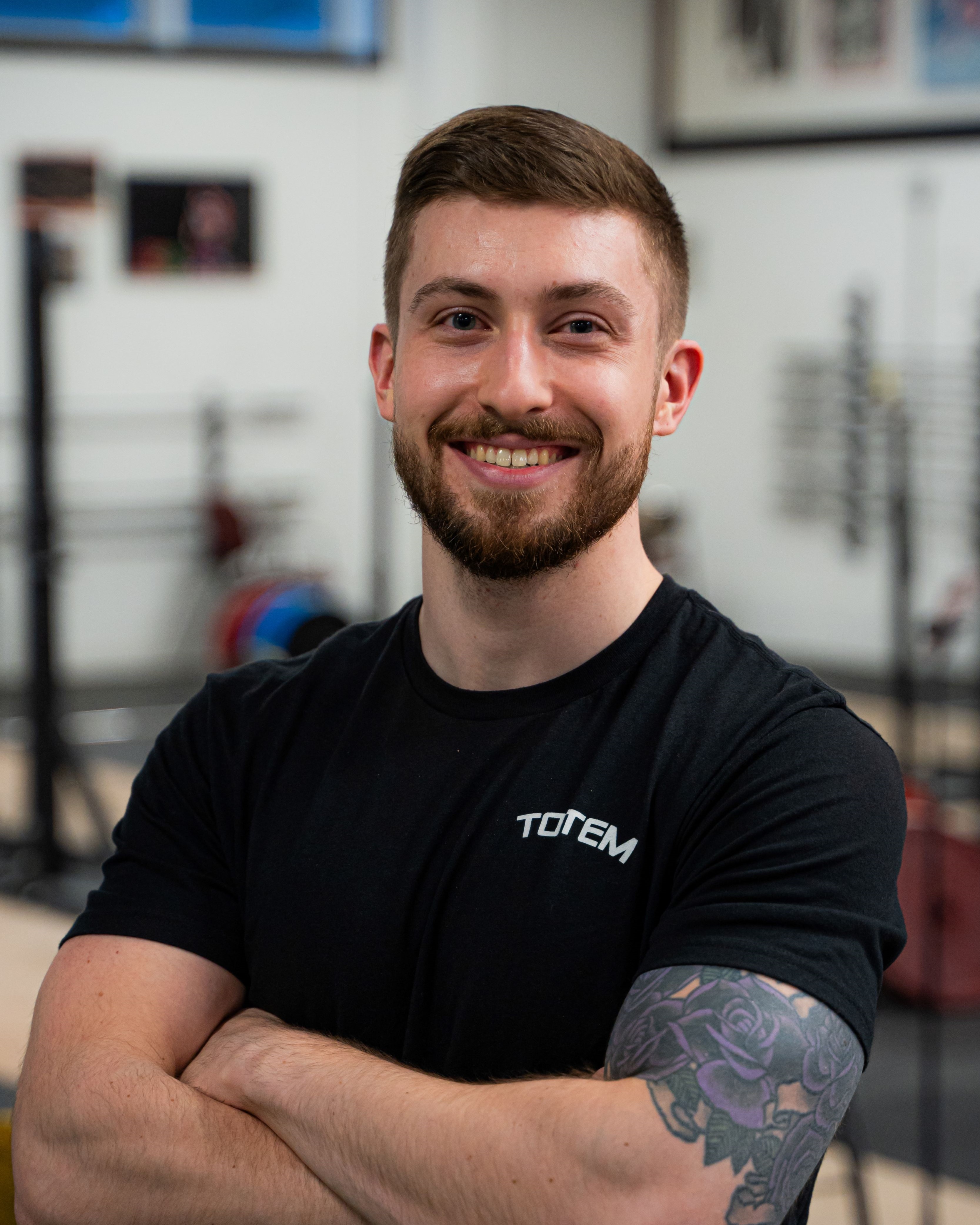
Tyler Boyd, PT, DPT, COMT, CSCS, BRM
Co-Owner, Doctor of Physical Therapy, Certified Strength and Conditioning Specialist

Good accountability is more than checking whether you completed a workout. Learn how planning, feedback, adaptation, meaningful check-ins, and measurable habits can help busy adults build a more consistent training routine.
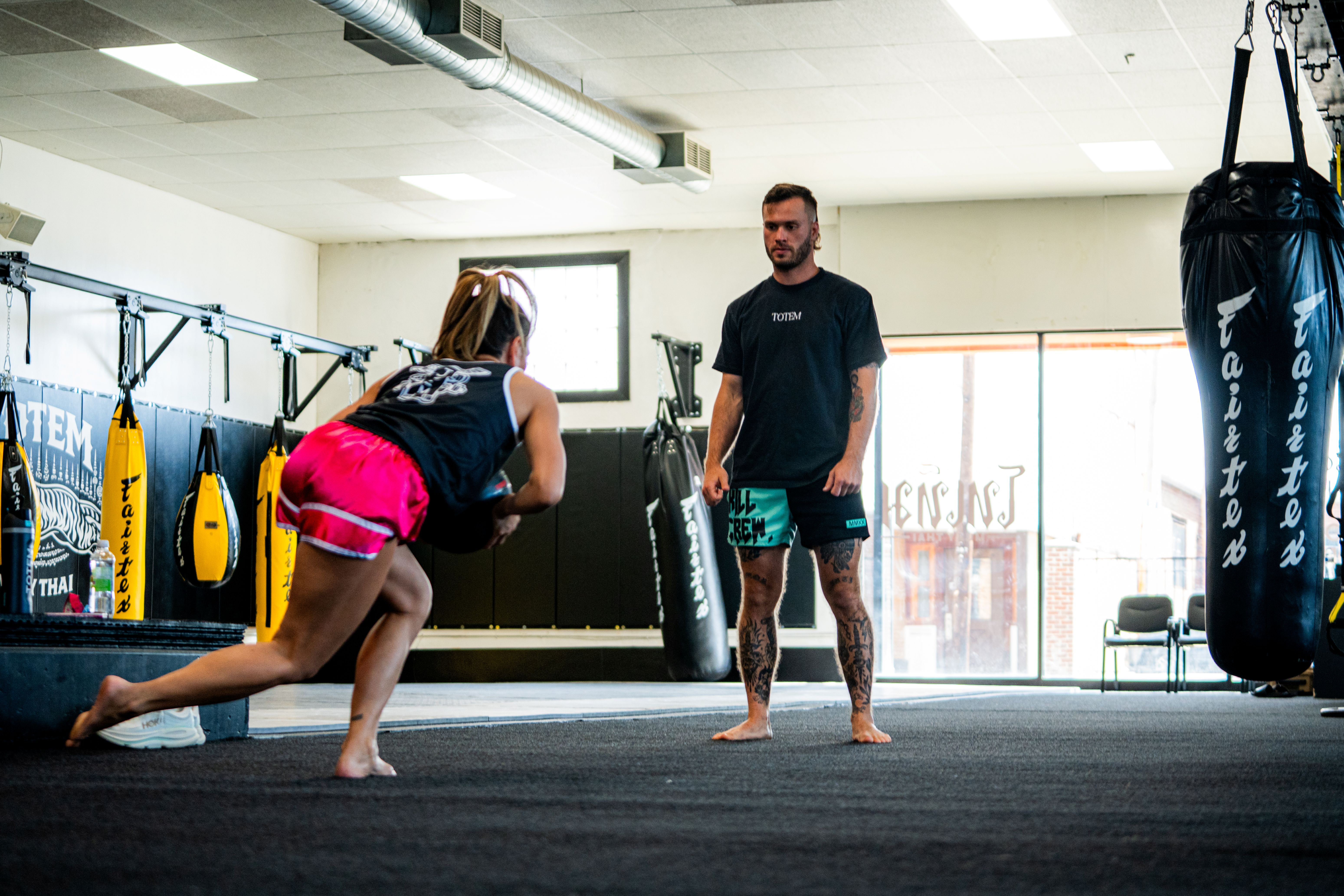
For many busy adults, the hardest part of fitness is not knowing that exercise is important. It is finding a way to stay consistent when work gets busy, schedules change, motivation drops, or life simply gets in the way.
That is where accountability can make a meaningful difference.
But good accountability in personal training is more than having someone ask whether you completed your workouts. Effective personal training accountability coaching should help you build a routine that works in the real world, adapt when circumstances change, and eventually develop greater ownership over your own training.
Consistency is much easier when the plan actually fits your life.
A good coach considers more than your fitness goals. Your work schedule, training history, available time, stress, recovery, injuries, equipment access, and other responsibilities all influence what a realistic training week should look like.
For one person, four training sessions per week may be manageable. For another, two focused sessions and a few simple movement goals may be far more sustainable.
Accountability should begin with expectations you can realistically meet—not an ideal schedule that falls apart after two weeks.
Accountability is not simply tracking whether you showed up.
Your coach should also be paying attention to how your training is going.
Are exercises progressing? Are certain movements consistently causing discomfort? Has work stress affected your recovery? Are you completing the program but still struggling to move toward your goals?
Regular feedback gives your coach the information needed to make better decisions.
Instead of treating the original program as something that must be followed exactly, good coaching uses your results and feedback to determine what should happen next.
Missing a workout does not automatically mean you lack discipline.
Sometimes schedules change. Travel happens. Work becomes demanding. Sleep suffers. An old injury becomes irritated.
A rigid program may view those situations as failures. A good coach views them as information.
That may mean shortening a workout, adjusting training volume, replacing an exercise, moving sessions around during a particularly busy week, or temporarily changing priorities.
The goal is not perfect adherence. The goal is developing a training process that can survive imperfect weeks.
One of the most important distinctions between accountability and dependence is what happens when your coach is not standing next to you.
Good personal training should gradually help you understand your own training better.
You should begin recognizing how hard an exercise should feel, why certain exercises are included, when something may need to be adjusted, and what habits help you stay consistent.
A coach can provide structure, expertise, and direction, but the long-term goal should be increasing your confidence and ownership - not making you feel incapable of exercising without supervision.
Regular check-ins are useful when they lead to meaningful conversations and decisions.
Rather than simply asking, “Did you work out this week?” a productive check-in might explore:
These conversations allow accountability to become a problem-solving tool rather than a guilt mechanism.
Progress is not always captured by a scale or a single performance number.
For busy adults trying to develop consistency, measurable habits can be just as important.
That might include completing two or three workouts each week, increasing daily activity, consistently performing a warm-up, improving sleep routines, or gradually increasing training volume.
Tracking these behaviors gives you and your coach something concrete to evaluate.
Over time, those repeatable habits often become the foundation for larger improvements in strength, fitness, body composition, and overall health.
The best accountability does not rely on guilt, punishment, or constant external motivation.
It provides structure.
A coach helps you establish a plan, evaluates how that plan is working, provides feedback, makes adjustments when necessary, and helps you continue moving forward when your routine becomes disrupted.
For adults who have repeatedly started and stopped workout programs, that combination of structure and flexibility can be much more valuable than simply receiving another exercise plan.
At Totem Training and Performance, personal training is designed around the individual. Your goals, schedule, training history, and current abilities help shape the process so your program can work within your actual life.
If you are looking for more structure, direction, and accountability with your training, start with a consultation to discuss your goals and determine whether personal training at Totem is the right fit.
Explore expert insights on physical therapy, strength training, injury recovery, and performance—designed to help you move better and stay pain-free long-term.