Tyler Boyd, PT, DPT, COMT, CSCS, BRM
Co-Owner, Doctor of Physical Therapy, Certified Strength and Conditioning Specialist

Not sure which type of massage is right for you? Learn how sports, deep tissue, Swedish, and neuromuscular massage differ and when each approach may be useful.
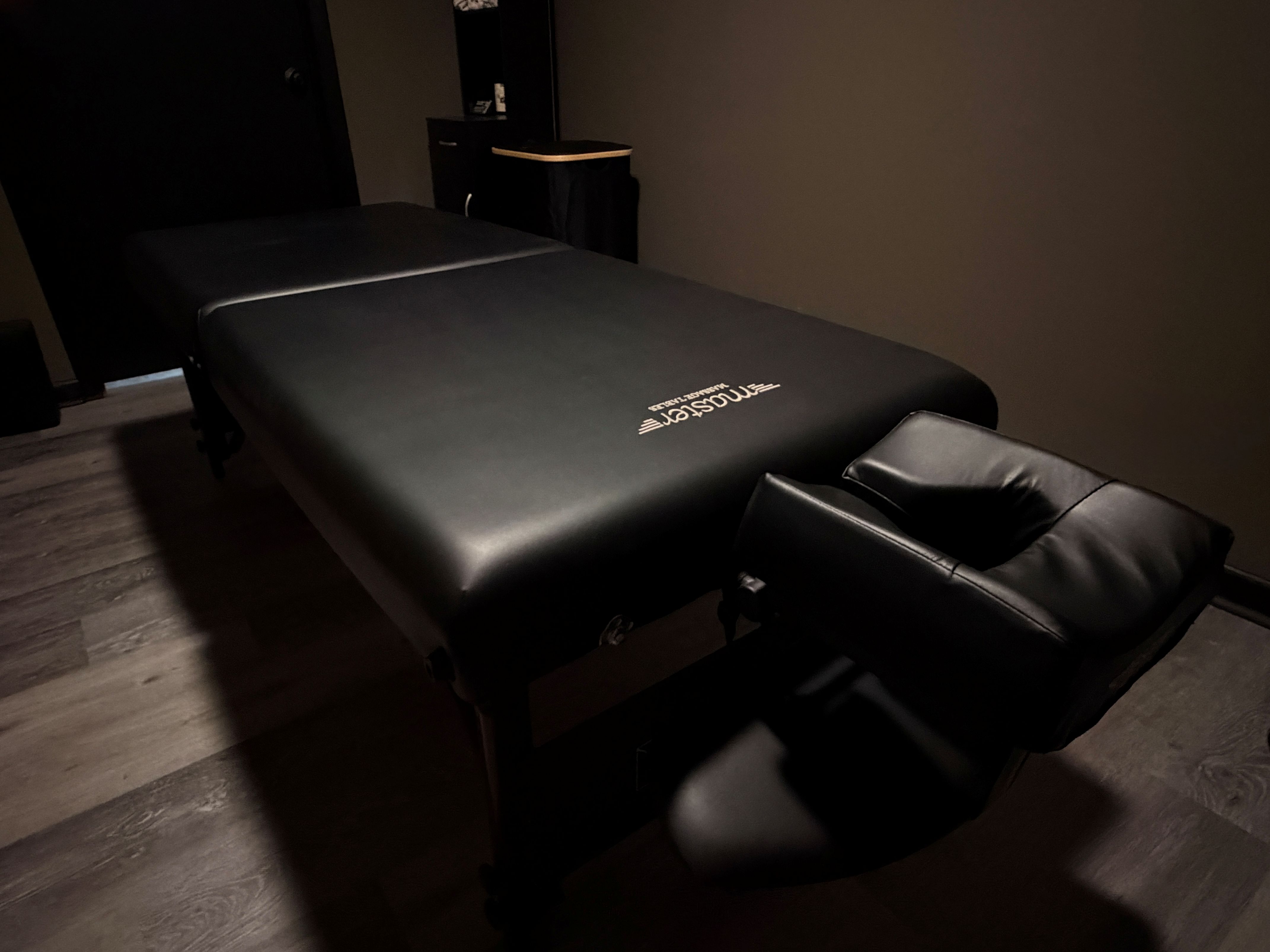
If you have ever looked at a massage therapy menu and wondered whether you need sports massage, deep tissue massage, Swedish massage, or neuromuscular work, you are not alone.
The names can make massage therapy sound like a collection of completely separate treatments. In practice, the differences are often more about intent, pressure, technique, and the problem you are trying to address.
For active adults, the right massage session may also include elements from more than one style.
Understanding how each approach differs can help you have a better conversation with your massage therapist and choose a session that supports your training, recovery, and everyday movement.
Sports massage and deep tissue massage are commonly compared because both can involve focused pressure and targeted work on areas that feel tight or overworked.
The main difference is usually the purpose of the session.
Sports massage is generally organized around the physical demands of training, competition, or an active lifestyle.
A session may focus on muscles and movement patterns that receive a high amount of stress from activities such as:
Sports massage may incorporate firmer pressure, compression, stretching, targeted soft-tissue work, and other techniques depending on the individual.
The goal is not simply to make the massage intense. Instead, the therapist is considering what you do, what feels restricted, and what tissues have been under the most demand.
For example, a runner preparing for increased mileage may have very different needs from someone performing heavy squats four days per week.
Deep tissue massage typically uses slower, more focused pressure to work through areas of muscular tension.
Despite the name, deep tissue massage does not necessarily mean applying as much pressure as possible.
A skilled therapist gradually works into the tissue based on your comfort and response. The session may concentrate on areas that consistently feel stiff, sore, or restricted rather than treating the entire body with the same amount of pressure.
Deep tissue work can be a good option for active adults who prefer more focused pressure or who regularly notice specific areas of muscular tension.
Swedish massage is often what people picture when they think of a traditional full-body massage.
Compared with more targeted techniques, Swedish massage commonly uses longer, flowing strokes with lighter to moderate pressure.
The emphasis is often on:
That does not mean Swedish massage is only appropriate for people who are inactive.
Athletes, lifters, runners, and other active adults may benefit from having sessions that prioritize relaxation rather than aggressive tissue work.
Training itself is already a physical stressor. Sometimes the most appropriate recovery session is one that helps you slow down instead of adding another intense stimulus.
Neuromuscular massage is typically more specific and targeted.
Rather than spending equal time across the entire body, a therapist may spend more time examining areas of localized tension and addressing specific muscles or points that appear to be contributing to discomfort or restricted movement.
The techniques may involve sustained pressure or focused soft-tissue work.
Neuromuscular massage can make sense when you can identify a particular area that repeatedly feels tight, irritated, or restricted.
For example, instead of requesting a general full-body massage, you might tell your therapist:
“My right shoulder always feels tight after pressing.”
That information gives the therapist a starting point for a more focused session.
There is no single massage style that is automatically best for everyone who exercises.
The better question is:
What are you trying to get out of today's session?
Your answer may change from week to week.
You might choose a more sports-focused or targeted session when:
A Swedish-style session may be more appropriate when:
Neuromuscular techniques may be incorporated when a therapist identifies a particular area that would benefit from more focused work.
And deep tissue techniques may be useful when you prefer slower, more concentrated pressure in areas carrying significant muscular tension.
One of the biggest misconceptions about massage therapy is that every appointment must follow one specific technique from beginning to end.
In reality, an individualized session may combine multiple approaches.
You might begin with broader Swedish-style techniques before transitioning into deeper work around the hips, shoulders, or upper back.
A therapist may incorporate sports massage techniques for muscles that have been heavily stressed by training while using more focused neuromuscular techniques around a specific problem area.
The techniques should support the purpose of the session — not the other way around.
A good massage session should begin with communication.
Your therapist may ask about:
For an active adult, your training history can be especially useful.
Someone who spends several days each week lifting may accumulate tension differently than someone who runs, practices Muay Thai, or spends long hours sitting at a desk before exercising in the evening.
The therapist can use that context to determine where to spend time and which techniques make the most sense.
You do not need to know exactly which type of massage you need before arriving.
Instead, give your therapist information they can actually use.
Mention your primary activities, sports, workouts, or physically demanding hobbies.
Let your therapist know if certain areas consistently feel tight, fatigued, or uncomfortable.
More pressure is not automatically more effective.
Tell your therapist whether you typically prefer lighter, moderate, or firmer pressure, and speak up during the session if something feels uncomfortable.
Maybe you want focused work after a difficult training week.
Maybe your shoulders always feel tight.
Maybe you simply want an hour dedicated to recovery.
Those are all useful goals.
For active adults, massage therapy does not have to be something you schedule only when everything hurts.
It can be one component of a broader recovery strategy alongside appropriate training, sleep, nutrition, mobility, and management of overall training stress.
At Totem Training & Performance, massage therapy is designed around the individual rather than forcing every client into the same type of session.
Your therapist can adjust pressure, techniques, and areas of emphasis based on your activity level, preferences, and goals for that day.
Not sure whether sports massage, deep tissue, Swedish, or neuromuscular techniques are right for you?
You do not have to decide before your appointment.
Explore massage therapy at Totem Training & Performance in Bridgeville, PA, and work with your therapist to determine an approach that fits your body, training, and recovery goals.
Explore expert insights on physical therapy, strength training, injury recovery, and performance—designed to help you move better and stay pain-free long-term.