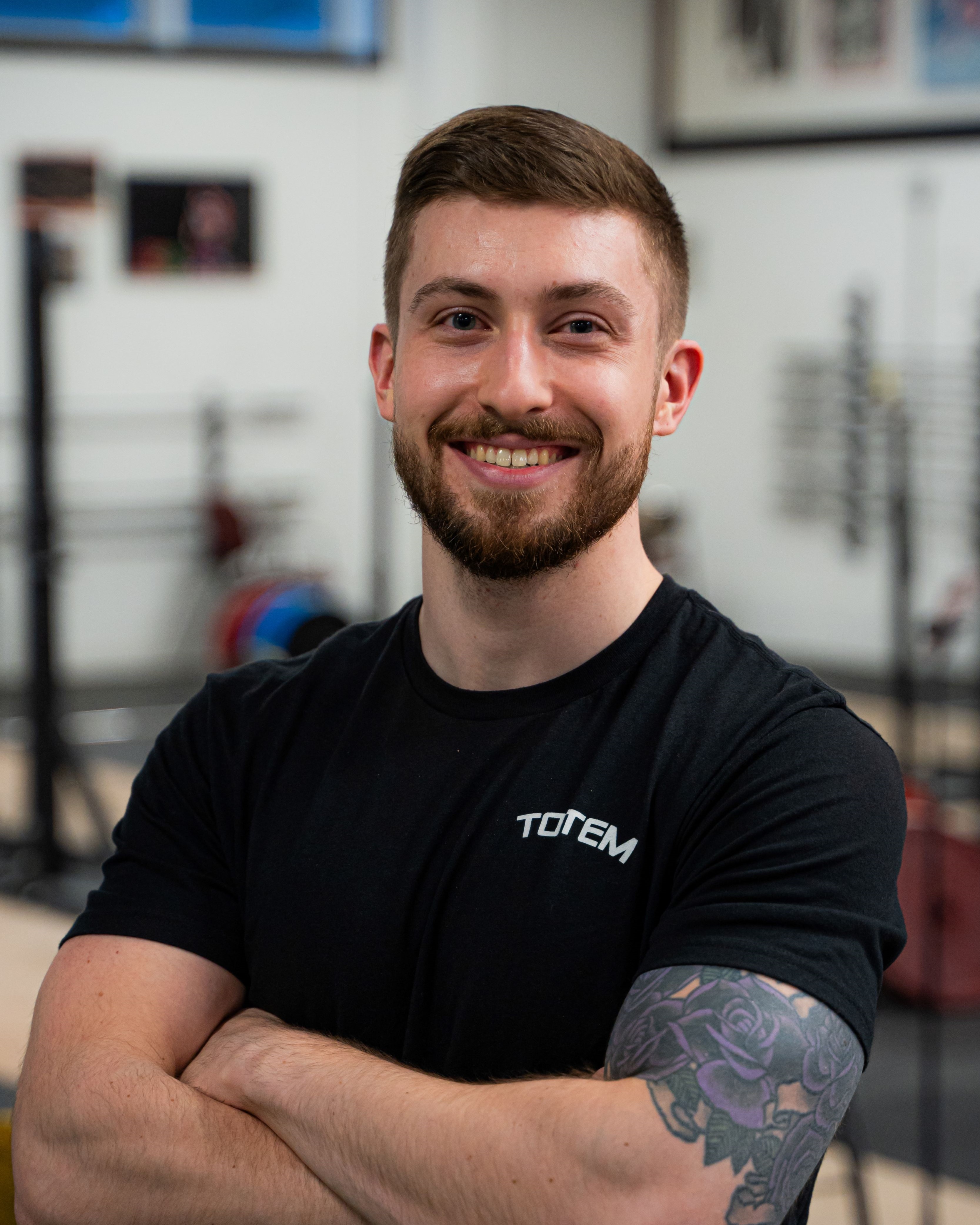
Tyler Boyd, PT, DPT, COMT, CSCS, BRM
Co-Owner, Doctor of Physical Therapy, Certified Strength and Conditioning Specialist

Struggling with mobility in Olympic lifts? Learn what’s actually limiting your movement and how to fix it.
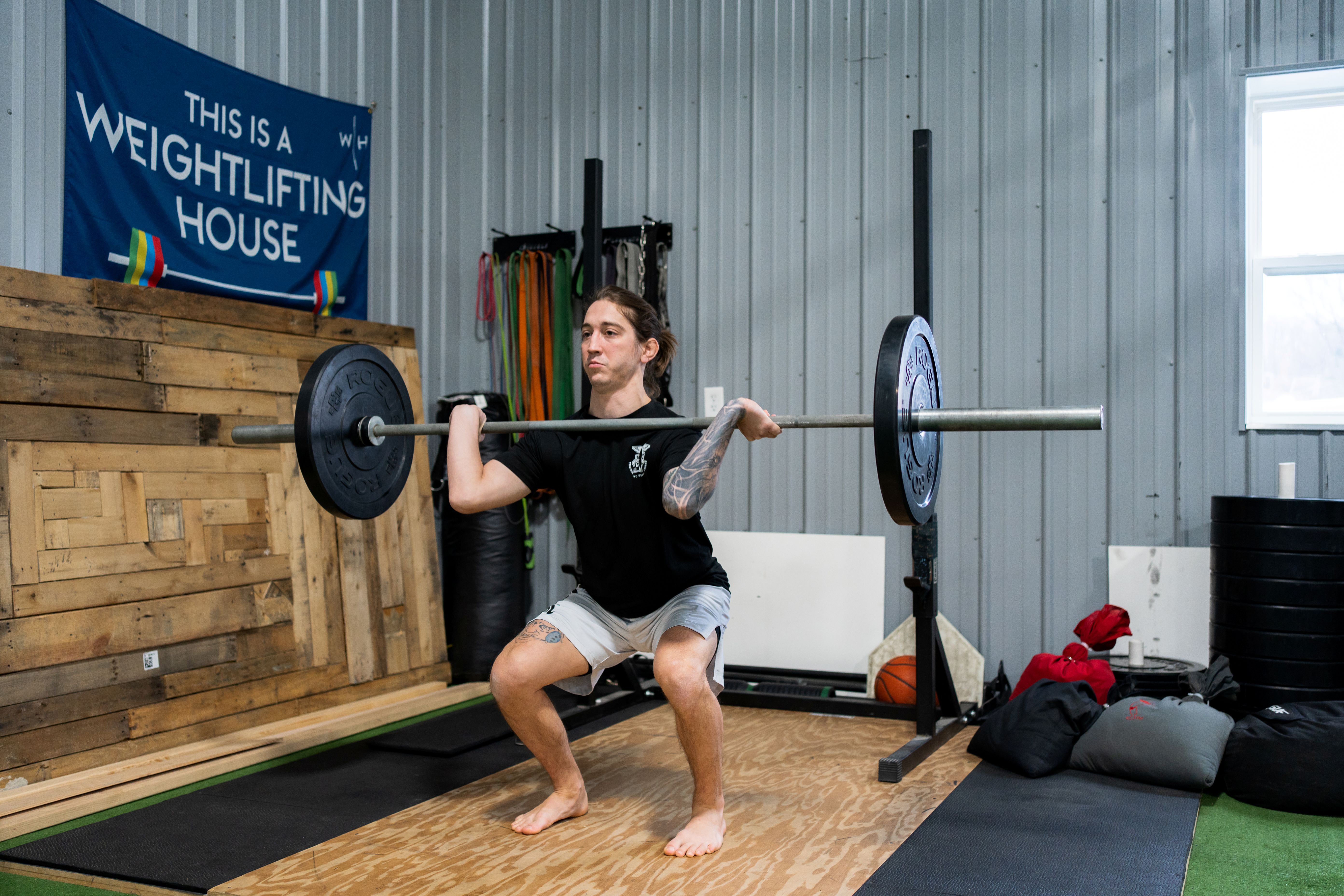
If you’ve spent any time Olympic weightlifting, you’ve probably run into it.
You can’t quite hit depth in your clean.
Your overhead position feels unstable.
Or something just doesn’t feel right when the weight gets heavy.
Most lifters immediately assume it’s a mobility issue.
Sometimes it is. But more often, it’s not as simple as “you need to stretch more.”
Understanding the difference—and knowing how to address it—is what determines whether you stay stuck or actually improve.
Mobility and flexibility are often used interchangeably, but they’re not the same thing.
Flexibility is passive. It’s your ability to lengthen a muscle—like holding a stretch.
Mobility is active. It’s your ability to control a joint through its full range of motion.
That distinction is critical.
Because Olympic weightlifting doesn’t require you to access positions—it requires you to control them under load, at speed.
This is where most lifters go wrong.
They spend more time stretching, foam rolling, or chasing temporary improvements instead of actually building the strength and control needed to hold those positions.
As a result, nothing really changes.
If you feel like you’ve been “working on mobility” but still running into the same limitations, it’s usually due to one of three things:
Mobility restrictions rarely exist in isolation.
They show up as part of a larger movement pattern.
That’s why generic mobility routines rarely solve the problem.
From working with Olympic lifters regularly, there are consistent patterns that show up.
One of the most common is limited thoracic spine extension. This directly impacts your ability to maintain an upright torso in the clean and achieve a stable overhead position in the snatch and jerk.
When this is limited, the body compensates—usually through the lower back or shoulders. Over time, this leads to inefficient movement and often pain.
Another frequent issue is limited hip internal rotation.
While most lifters focus on external rotation for squat depth, internal rotation becomes essential as you move into deeper positions. When it’s restricted, lifters often feel pinching in the hip or struggle to hit consistent depth.
These aren’t just “tightness” issues.
They’re movement problems.
Stretching can provide short-term relief.
But it doesn’t change how your body moves under load.
In fact, excessive static stretching—especially before lifting—can temporarily reduce power output and negatively affect performance.
What actually creates change is active work:
This is how you turn “available range” into “usable range.”
The biggest issue isn’t that lifters aren’t working hard.
It’s that they don’t know what to work on.
They feel a limitation, guess at the cause, and apply generic solutions.
Sometimes it helps temporarily. Most of the time, it doesn’t.
Because without understanding why the limitation exists, you’re just managing symptoms—not solving the problem.
At Totem Training & Performance, we don’t separate mobility from performance.
We look at how you move—under load, through your lifts—and identify what’s actually limiting you.
Our concierge physical therapy model is built for lifters who want to:
Every session is one-on-one with a Doctor of Physical Therapy, allowing us to break down your movement patterns and create a plan that integrates directly into your lifting.
This isn’t generic mobility work.
It’s a targeted strategy to improve how you perform.
If you’re constantly modifying lifts, avoiding certain positions, or feeling stuck despite “working on mobility,” there’s usually a deeper issue.
And until that’s addressed, progress stays limited.
The goal isn’t to stretch more.
It’s to move better.
If you’re dealing with:
…it’s time to take a more targeted approach.
👉 Schedule Your Concierge Physical Therapy Evaluation
We’ll break down your movement, identify the true limitation, and build a plan that carries over directly into your lifts.
Explore expert insights on physical therapy, strength training, injury recovery, and performance—designed to help you move better and stay pain-free long-term.