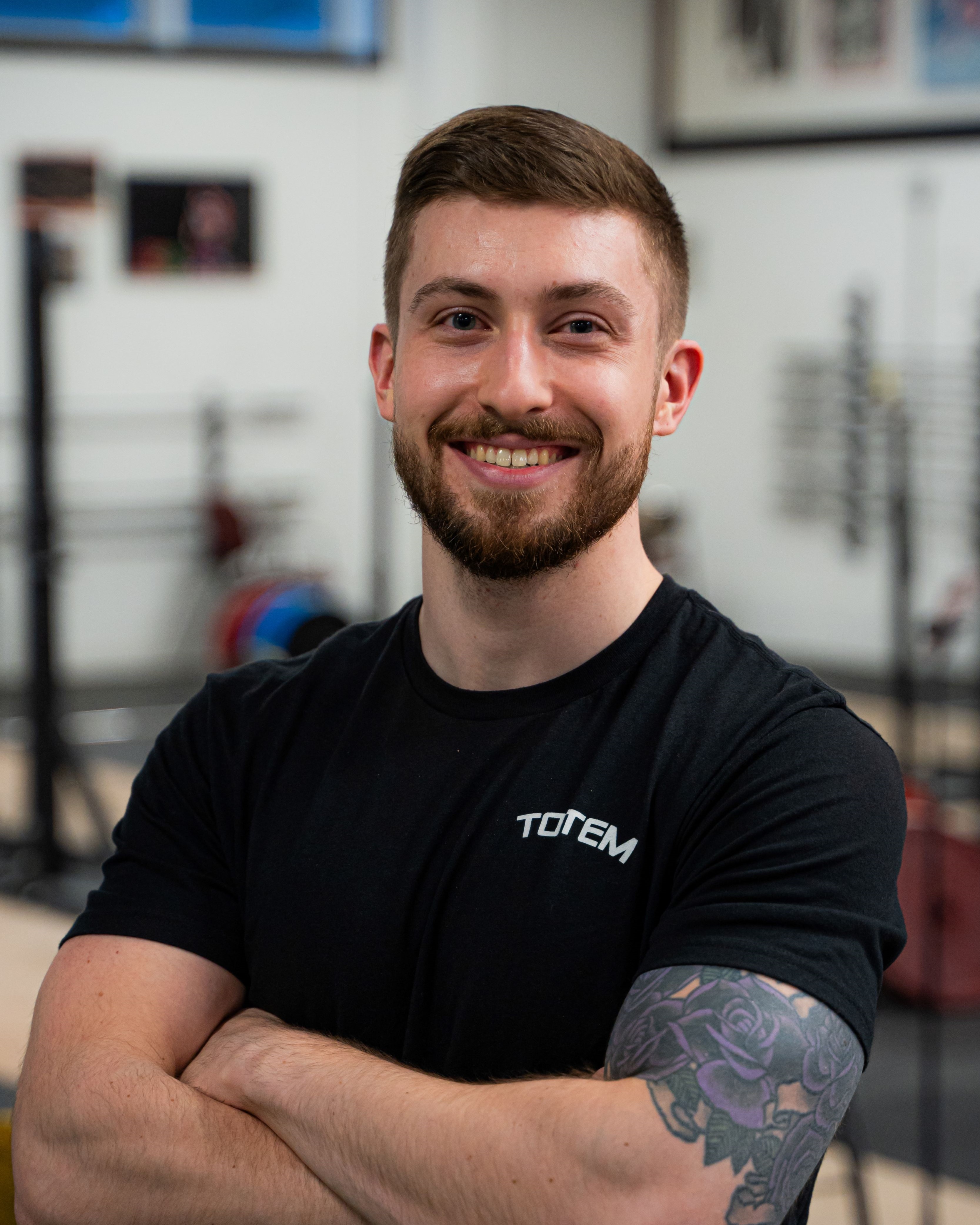
Tyler Boyd, PT, DPT, COMT, CSCS, BRM
Co-Owner, Doctor of Physical Therapy, Certified Strength and Conditioning Specialist

Learn how to recover from lifting injuries, stay active, and return stronger with a smarter, structured approach.

Injuries are one of the most frustrating parts of training.
Whether you’re a competitive lifter or someone who simply takes your training seriously, being sidelined disrupts more than just your workouts. It affects your routine, your progress, and often your identity.
But the reality is this—an injury doesn’t have to set you back long-term.
With the right approach, it can become a turning point. An opportunity to rebuild, refine, and come back stronger than before.
Most people focus on the physical side of injury. Pain, movement limitations, time away from training.
But the mental side is just as real.
Frustration builds when progress stalls. Confidence drops when movements feel unfamiliar or unpredictable. For many lifters, training is a core part of their day—and when that’s taken away, it creates a noticeable gap.
This is normal.
Acknowledging that frustration is part of the process is important. Because how you respond in this phase often determines how well you come back.
The biggest mistake after an injury isn’t a lack of effort.
It’s a lack of direction.
Many lifters fall into one of two extremes:
Neither approach solves the problem.
What’s missing is a clear, structured plan that bridges the gap between injury and performance.
Recovering from an injury isn’t about doing less—it’s about doing the right things at the right time.
That starts with understanding what’s actually going on.
Getting an accurate assessment of your movement—not just your symptoms—is the first step. From there, your plan should evolve based on your specific limitations, your training history, and your goals.
Early on, this may mean temporarily reducing load or modifying certain movements. But complete rest is rarely the answer.
In most cases, staying active within tolerable ranges—walking, light aerobic work, or controlled variations of lifts—helps maintain momentum while supporting recovery.
At the same time, this phase is an opportunity.
Addressing underlying weaknesses, improving movement quality, and building control in positions you previously struggled with often becomes the difference between recurring issues and long-term progress.
This is where most traditional approaches fall short.
Rehab is often treated as something separate from training. You go to PT, do a set of exercises, and eventually get “cleared”—but without a clear transition back into lifting.
That gap is where reinjury and frustration happen.
For lifters, rehab should look like a progression—not a reset.
If your goal is to return to squatting, pressing, or pulling, your recovery process should gradually rebuild those patterns. Not avoid them.
At Totem Training & Performance, we work with lifters who don’t just want to feel better—they want to return to training at a high level.
Our concierge physical therapy model is built around that expectation.
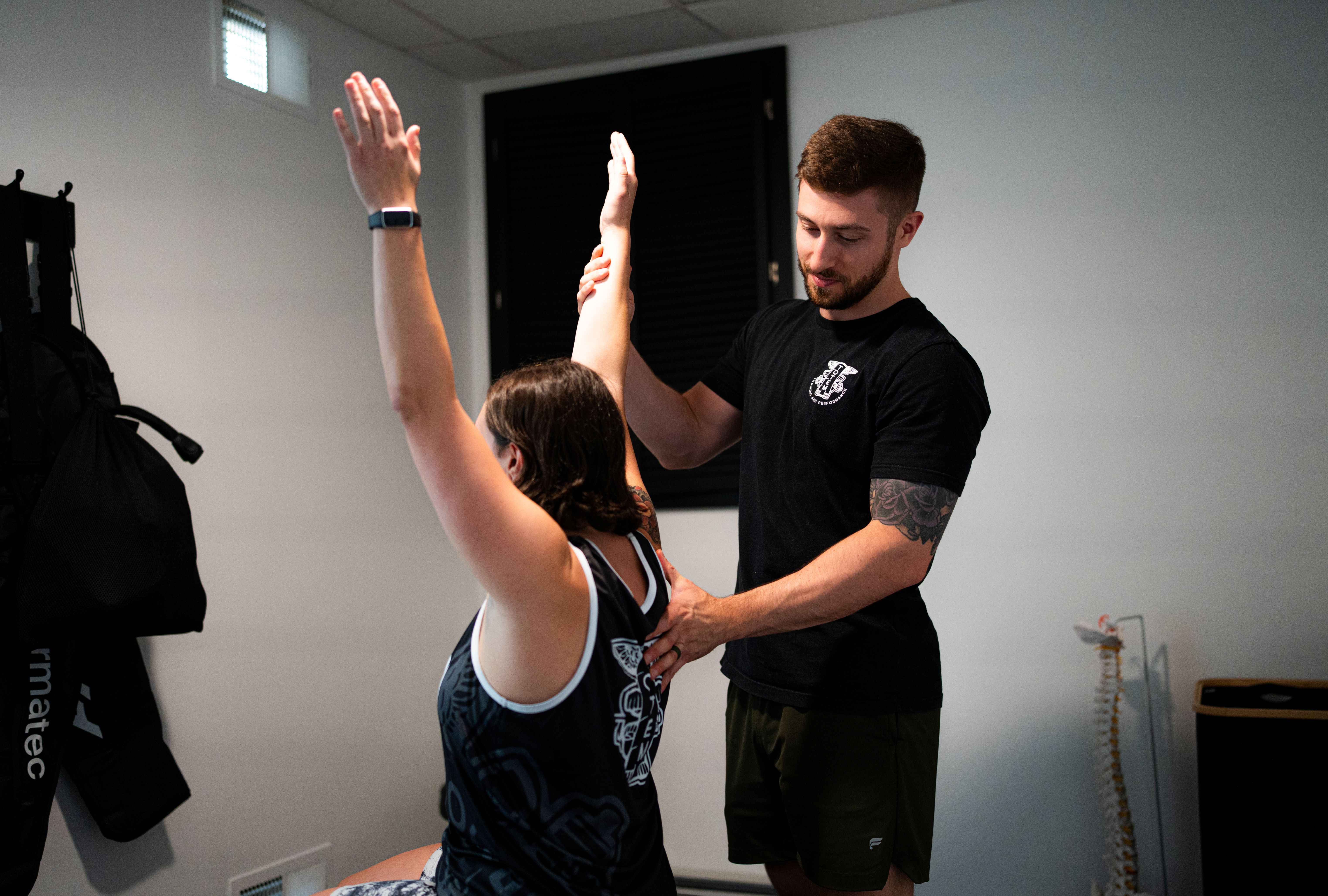
Every session is one-on-one with a Doctor of Physical Therapy, allowing us to fully assess how you move, identify what’s contributing to your symptoms, and build a plan that integrates directly into your training.
This isn’t passive care or generic rehab.
It’s a structured process that:
The goal isn’t just to get you out of pain.
It’s to make sure you return stronger, more resilient, and better prepared than before.
If you’re currently dealing with an injury—or feel like something hasn’t fully resolved—continuing to guess your way through it usually leads to more setbacks.
The first step is getting clarity on what’s actually going on and what your body needs next.
👉 Schedule Your Concierge Physical Therapy Evaluation
We’ll assess your movement, understand your training goals, and build a plan that gets you back to lifting with confidence.
Explore expert insights on physical therapy, strength training, injury recovery, and performance—designed to help you move better and stay pain-free long-term.