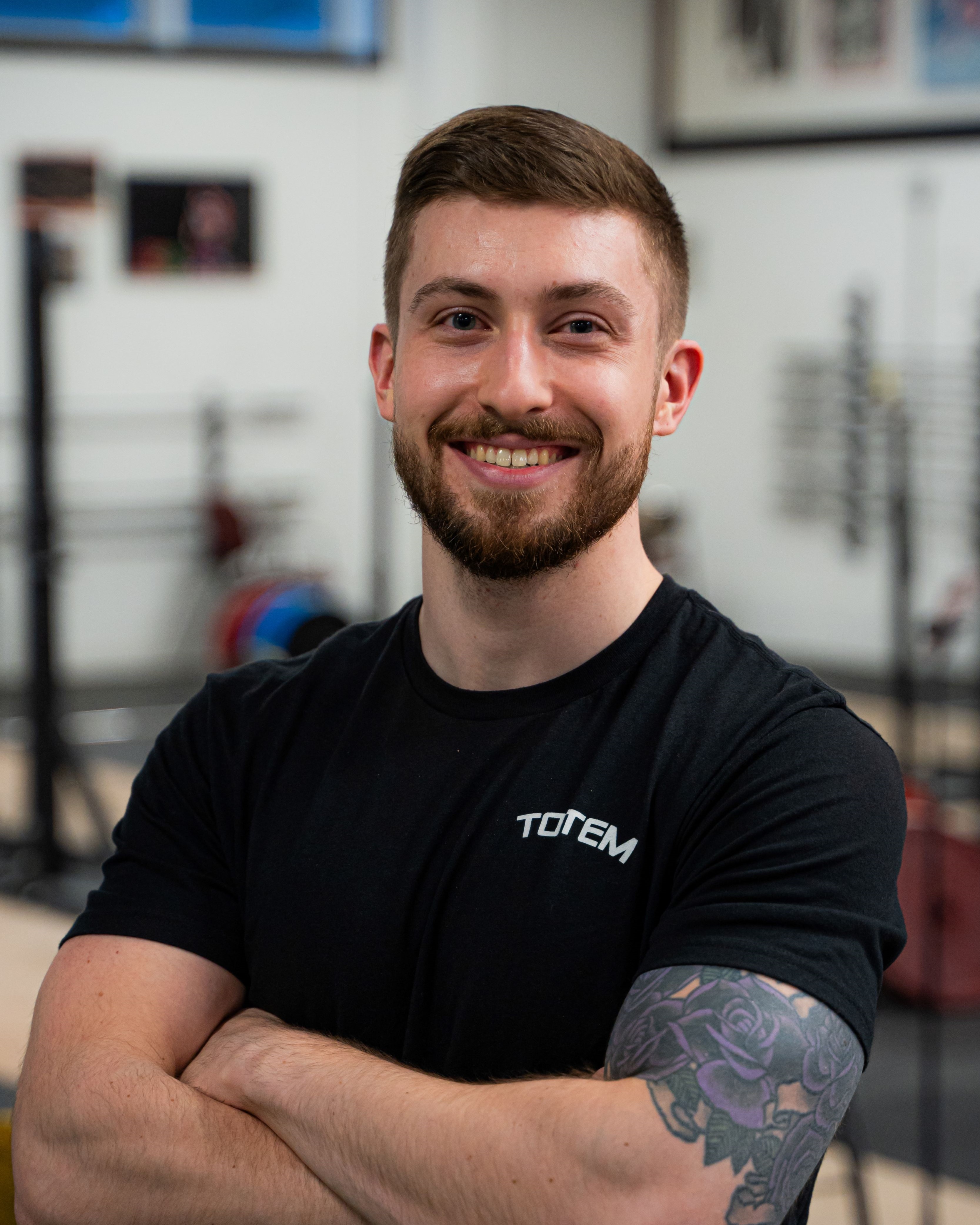
Tyler Boyd, PT, DPT, COMT, CSCS, BRM
Co-Owner, Doctor of Physical Therapy, Certified Strength and Conditioning Specialist

Does collagen help tendon and ligament injuries? Learn how to speed up soft tissue healing with evidence-based strategies and expert rehab guidance.

Soft tissue injuries—whether it’s a nagging tendon issue, a strained muscle, or a ligament injury—can be one of the most frustrating setbacks for active adults.
You’re doing the right things. Modifying training. Trying to stay consistent. Maybe even going to physical therapy.
But progress feels slow. Or worse—stalled.
That’s where a lot of people start asking:
“Will collagen actually help me heal faster?”
The short answer: it can—but only if it’s part of the right system.
Unlike muscle, tendons and ligaments have a relatively poor blood supply. That means:
These tissues rely heavily on collagen, which gives them their strength, stiffness, and ability to handle load.
When injured, that collagen structure is disrupted—and rebuilding it is what ultimately determines how well you recover.
Emerging research suggests that collagen supplementation can support tendon and ligament healing, particularly when combined with proper loading.
Here’s what it appears to do:
Collagen provides key amino acids (like glycine and proline) that your body uses to rebuild damaged tissue.
Some studies have shown improvements in tendon stiffness and function when collagen is paired with training.
By improving tissue quality, collagen may help you tolerate progressive loading sooner.
This is where most people get it wrong.
They take collagen and expect it to fix the problem.
But soft tissue healing doesn’t happen from supplementation alone—it happens from the interaction between nutrition and mechanical load.
Without the right stimulus, your body has no reason to remodel the tissue effectively.
If your goal is to recover faster and return to training, you need a coordinated approach:
Tendons and ligaments need gradual, progressive stress to adapt and rebuild.
Too little → no adaptation
Too much → flare-ups
The key is applying the right amount at the right time.
Research suggests collagen may be most effective when:
This helps “prime” the body for tissue repair during training.
Not all exercises are created equal in rehab.
You need movements that:
Protein intake, sleep, and overall caloric intake all play a role in healing capacity.
If your recovery inputs are poor, progress will be limited—no matter what supplement you take.
Most people either:
Or they’re given generic rehab that doesn’t reflect their actual goals—like getting back to lifting, running, or sport.
That’s why progress stalls.
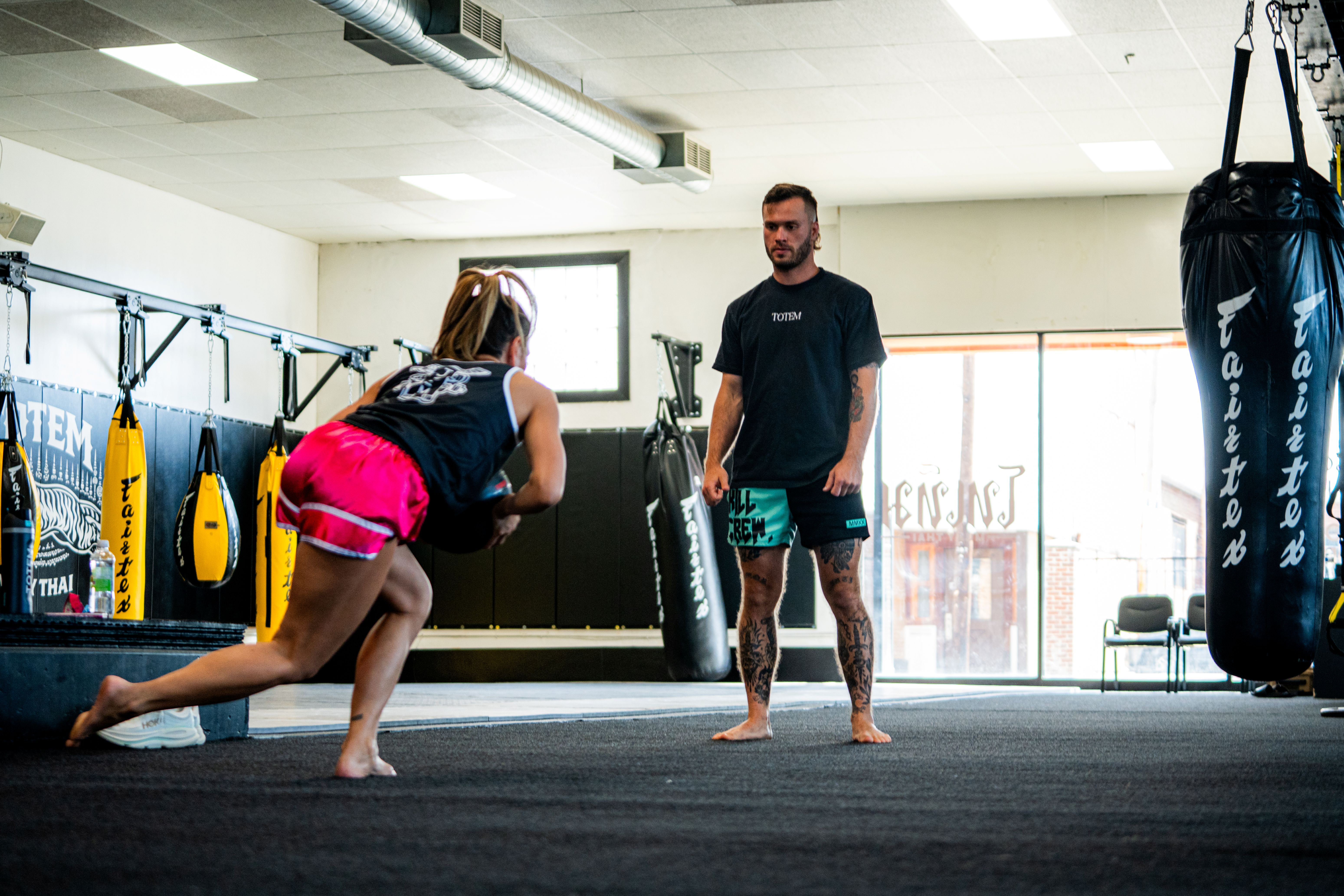
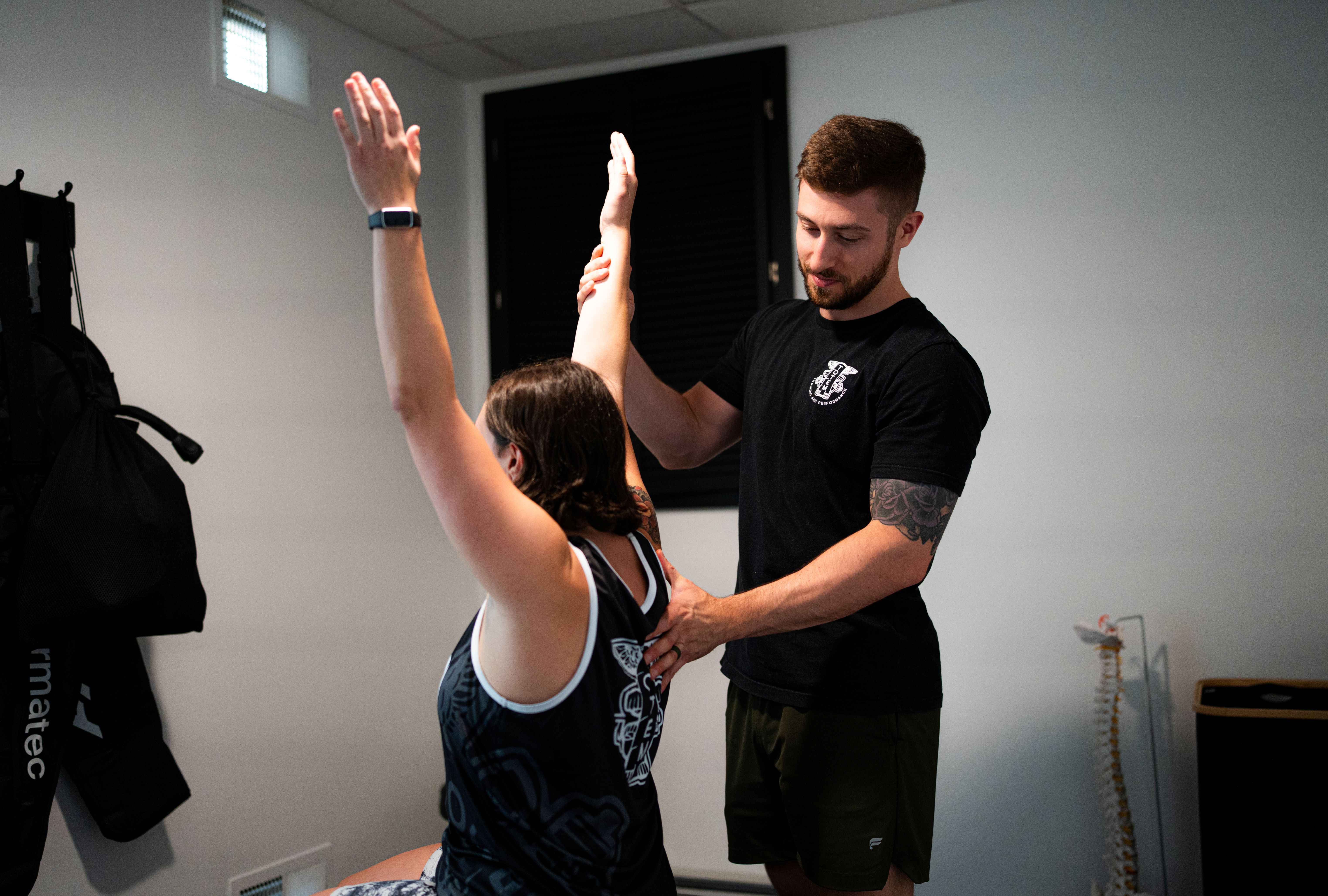
At Totem Training and Performance, we don’t treat injuries in isolation—we treat them in the context of how you actually train and live.
That means:
The goal isn’t just to get you out of pain.
It’s to get you back to performing at a higher level than before.
Collagen can be a valuable tool for tendon and ligament recovery.
But it’s not the solution.
The real driver of recovery is a well-structured plan that combines:
Get that right, and everything—including supplementation—starts working better.
If you’re dealing with a lingering injury, recurring pain, or stalled progress, the issue usually isn’t just what you’re taking—it’s the plan you’re following.
At Totem Training and Performance, we specialize in helping active adults recover fully and return to training without setbacks.
👉 Schedule a movement evaluation and get a clear, individualized plan to move forward.
Explore expert insights on physical therapy, strength training, injury recovery, and performance—designed to help you move better and stay pain-free long-term.