Tyler Boyd, PT, DPT, COMT, CSCS, BRM
Co-Owner, Doctor of Physical Therapy, Certified Strength and Conditioning Specialist

Learn the 7 essential movement patterns and how imbalances can lead to pain, injury, and performance limitations.
Strength training isn’t just about how much you lift or how hard you push in the gym. The foundation of long-term strength, resilience, and pain-free performance comes down to how well you move.
At the core of effective training are seven essential movement patterns. These patterns reflect how your body naturally moves in everyday life and sport. When one or more of them is limited, overloaded, or poorly coordinated, it often shows up as pain, plateaus, or recurring injuries.
Understanding these patterns isn’t just about improving performance—it’s about identifying what your body may be missing.
Your body doesn’t operate in isolated muscles. It works through coordinated movement patterns that require strength, mobility, and control across multiple joints at once.
These patterns can be broadly divided into upper body pushing and pulling, along with lower body movement across different planes. When all are functioning well together, movement feels efficient and strong. When they’re not, compensation takes over.
That’s where issues begin.
In many training programs, upper body work becomes imbalanced—usually favoring pushing movements while neglecting pulling and control.
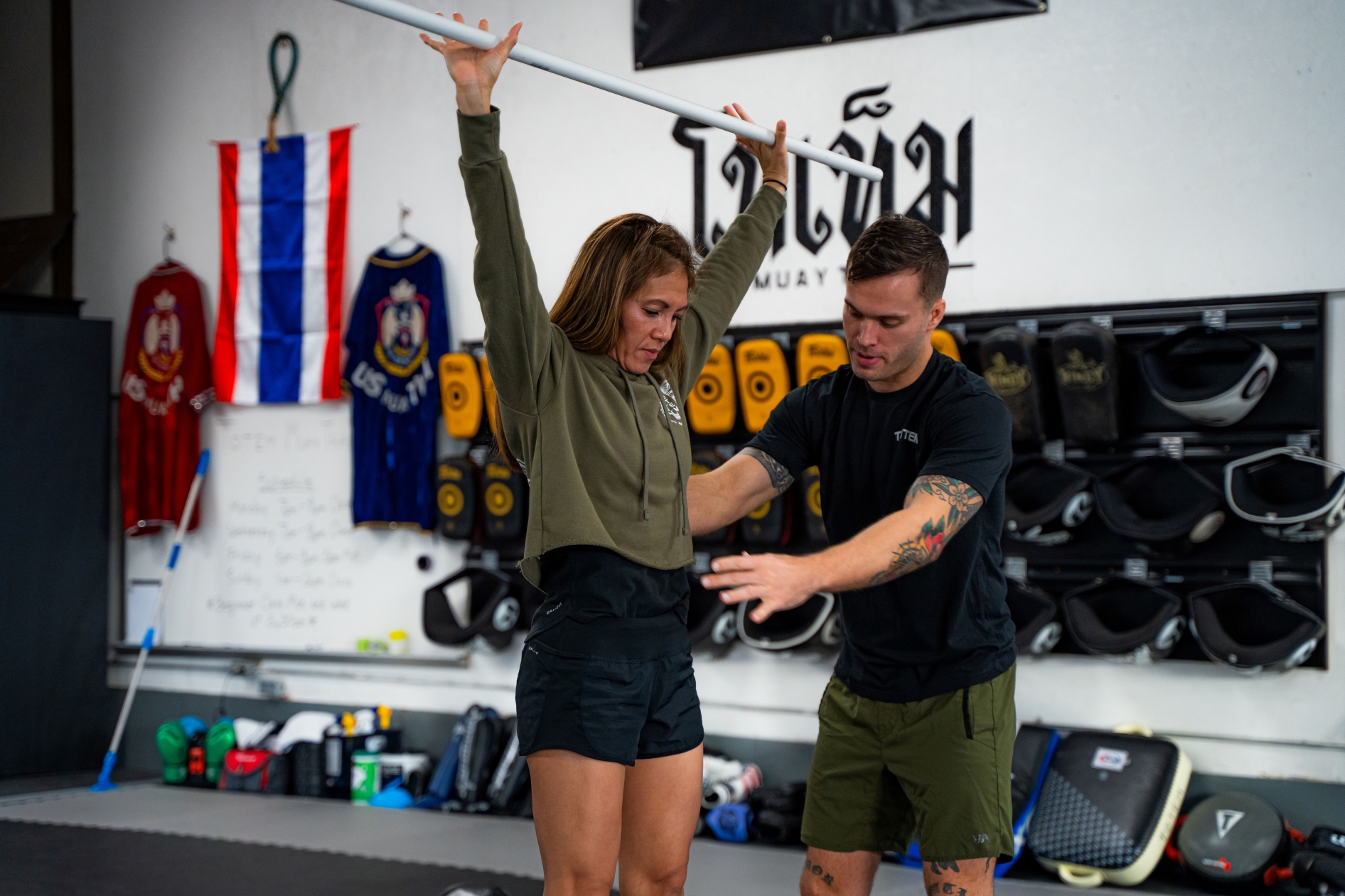
Vertical pushing involves pressing weight overhead. Movements like shoulder presses and landmine presses develop strength through the shoulders and triceps, but also require proper mobility and stability through the upper back.
Vertical pulling, such as pull-ups and lat pulldowns, builds strength through the lats and upper back. When this pattern is undertrained, it often contributes to shoulder discomfort and postural issues.
Horizontal pushing—like bench pressing or push-ups—targets the chest and anterior shoulder. Without adequate balance from horizontal pulling, this can further reinforce imbalances.
Horizontal pulling movements such as rows and face pulls help restore that balance. They strengthen the upper back and improve shoulder mechanics, which is critical for both performance and long-term joint health.
Lower body training becomes more effective when you understand not just what muscles are working, but how your body is moving through space.
Sagittal plane movements—those moving forward and backward—form the foundation. Squats, lunges, and deadlifts build strength through the quads, glutes, and hamstrings, but they also require coordination and control through the hips and trunk.
Frontal plane movement introduces side-to-side control. Lateral lunges and similar variations train the hips in a way that is often overlooked, yet essential for stability and injury prevention.
Transverse plane movement brings in rotation. This is critical for real-world movement and sport, requiring coordination between the hips and trunk. When this pattern is limited, the body often compensates elsewhere—commonly leading to low back or hip irritation.
Most people don’t experience pain because they’re not working hard enough.
They experience pain because certain movement patterns are overloaded while others are underdeveloped or poorly controlled.
Over time, the body adapts to these imbalances. What starts as a small limitation can turn into persistent discomfort, reduced performance, or recurring injury.
This is especially common in individuals who:
These are often signs that one or more movement patterns aren’t functioning the way they should.
When all seven movement patterns are trained and coordinated effectively, your body becomes more resilient.
You’re better equipped to handle load, adapt to different positions, and move efficiently without unnecessary strain on specific joints or tissues.
This carries over into everything—training, daily life, and long-term health.
More importantly, it gives you a framework to understand why something might be bothering you, rather than just trying to work around it.
There’s a point where simply “training harder” or “stretching more” stops working.
If you’re dealing with:
…it’s often not a programming issue.
It’s a movement issue.
And that requires a more individualized approach.
At Totem Training & Performance, our concierge physical therapy model is built around identifying and addressing these exact limitations.
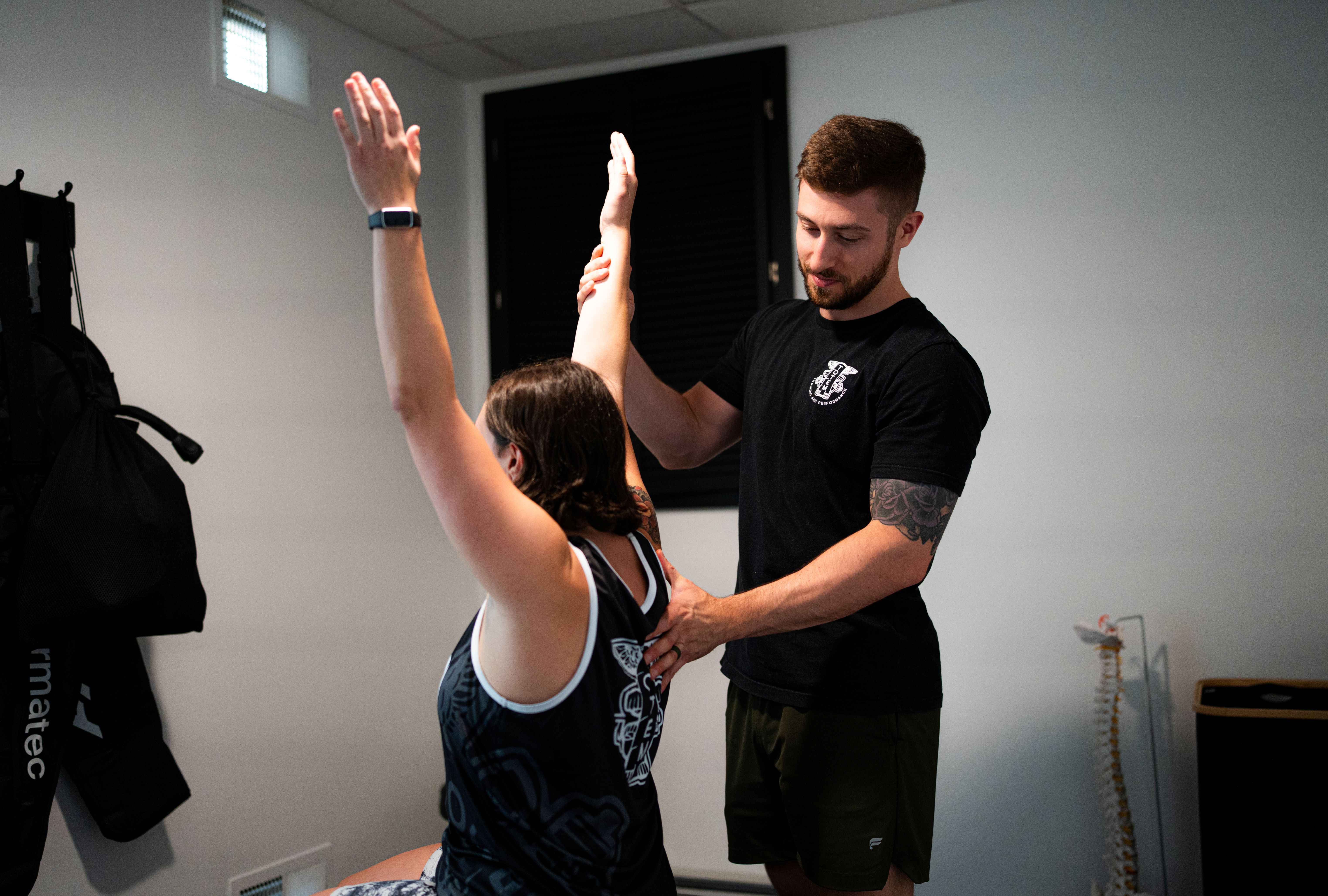
Instead of chasing symptoms, we assess how your body moves across these foundational patterns—then build a plan to restore balance, improve function, and get you back to training without restrictions.
This isn’t passive treatment. It’s a structured, one-on-one approach designed to help you move better, feel better, and perform at a higher level.
If you’ve been dealing with pain, limitations, or feel like your training isn’t progressing the way it should, this is where to start.
Explore expert insights on physical therapy, strength training, injury recovery, and performance—designed to help you move better and stay pain-free long-term.