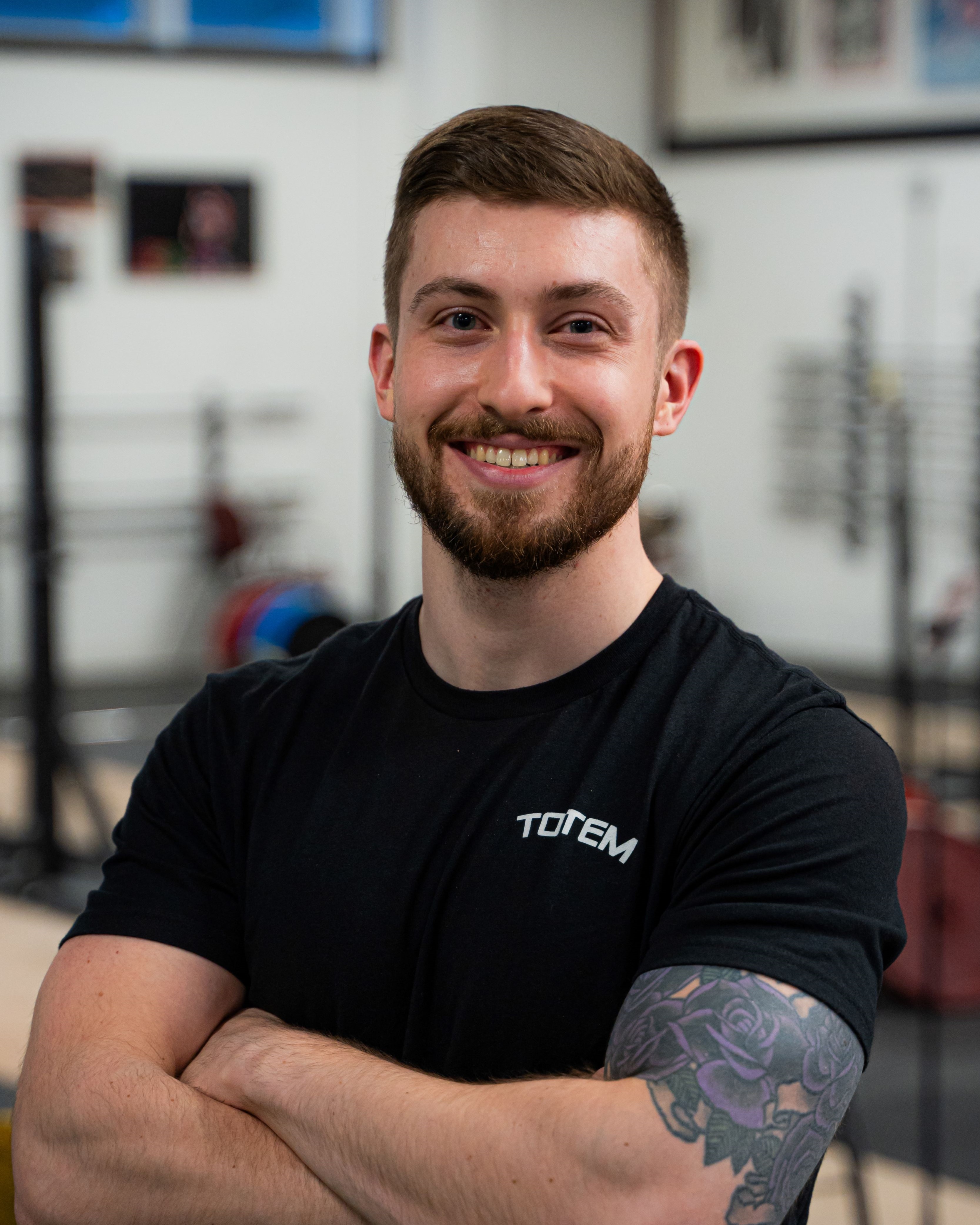
Tyler Boyd, PT, DPT, COMT, CSCS, BRM
Co-Owner, Doctor of Physical Therapy, Certified Strength and Conditioning Specialist

Struggling with pain despite PT? Learn why traditional physical therapy fails active adults and what actually works.

If you’re an active adult dealing with pain or injury, there’s a good chance you’ve already tried physical therapy.
And if you’re here, it probably didn’t go the way you expected.
You showed up consistently. You did the exercises. You followed the plan.
But something felt off—progress stalled, your symptoms lingered, or you never quite got back to the level you were aiming for.
You’re not alone.
The reality is that traditional physical therapy often isn’t built for people who want to return to training, sport, or high-level activity. It’s built for volume, standardization, and symptom management—not performance.
Here’s where it tends to fall short.
Every individual brings a different history, lifestyle, and set of goals into physical therapy.
But in many traditional settings, treatment plans look nearly identical across patients.
Whether you're a 25-year-old powerlifter working toward a heavy bench press or a 55-year-old trying to stay active after a shoulder injury, you may find yourself working through the same generic exercise sheet.
The problem isn’t that these exercises are inherently wrong—it’s that they’re not specific.
Without a plan tailored to how you move, what you’re training for, and what your body actually needs, progress becomes limited. You end up going through the motions instead of addressing the root issue.
In many clinics, the model is built around volume.
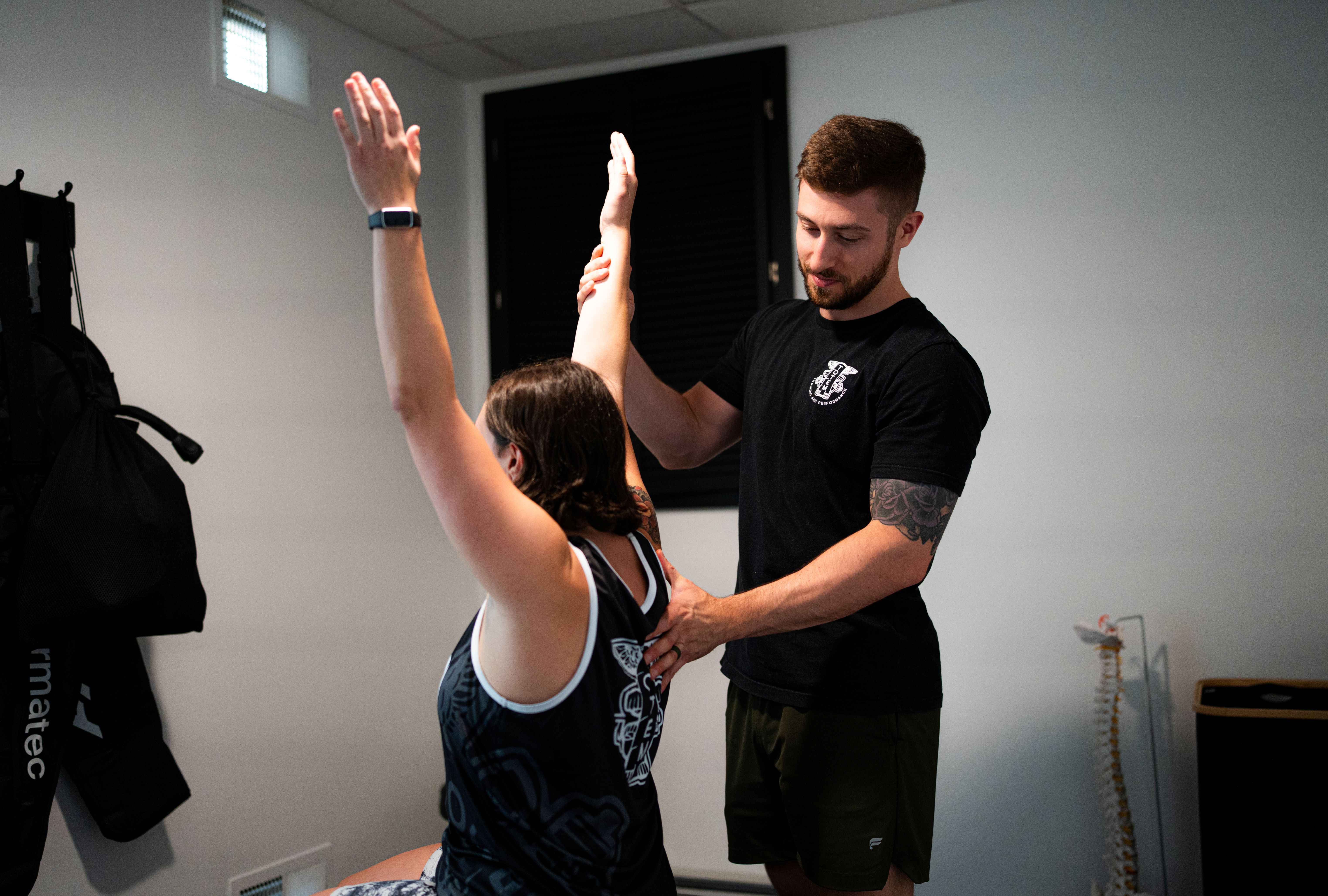
That means your time with a Doctor of Physical Therapy is often brief, while the majority of your session is spent rotating between exercises or working with aides.
Hands-on assessment becomes minimal. Progressions become generalized.
And the deeper problem—the reason you’re dealing with pain in the first place—often goes unaddressed.
For active individuals, this is where frustration builds.
You’re not just looking to feel “a little better.” You’re trying to return to training, perform at a higher level, and move without hesitation. That requires time, attention, and a higher level of clinical reasoning than the traditional model allows.
This is often the biggest disconnect.
You didn’t seek out physical therapy just to feel okay at rest—you did it so you could get back to doing what you enjoy.
But too often, rehab programs stop short of that goal.
Barbell lifts are removed entirely. Running is avoided. Sport-specific movement is delayed or ignored. In some cases, patients are even told to stop doing the activity altogether.
The result is a gap between “being out of pain” and actually being ready to perform again.
If your goal is to return to squatting, pressing, running, or competing, your rehab should reflect that. It should progressively rebuild those patterns—not avoid them.
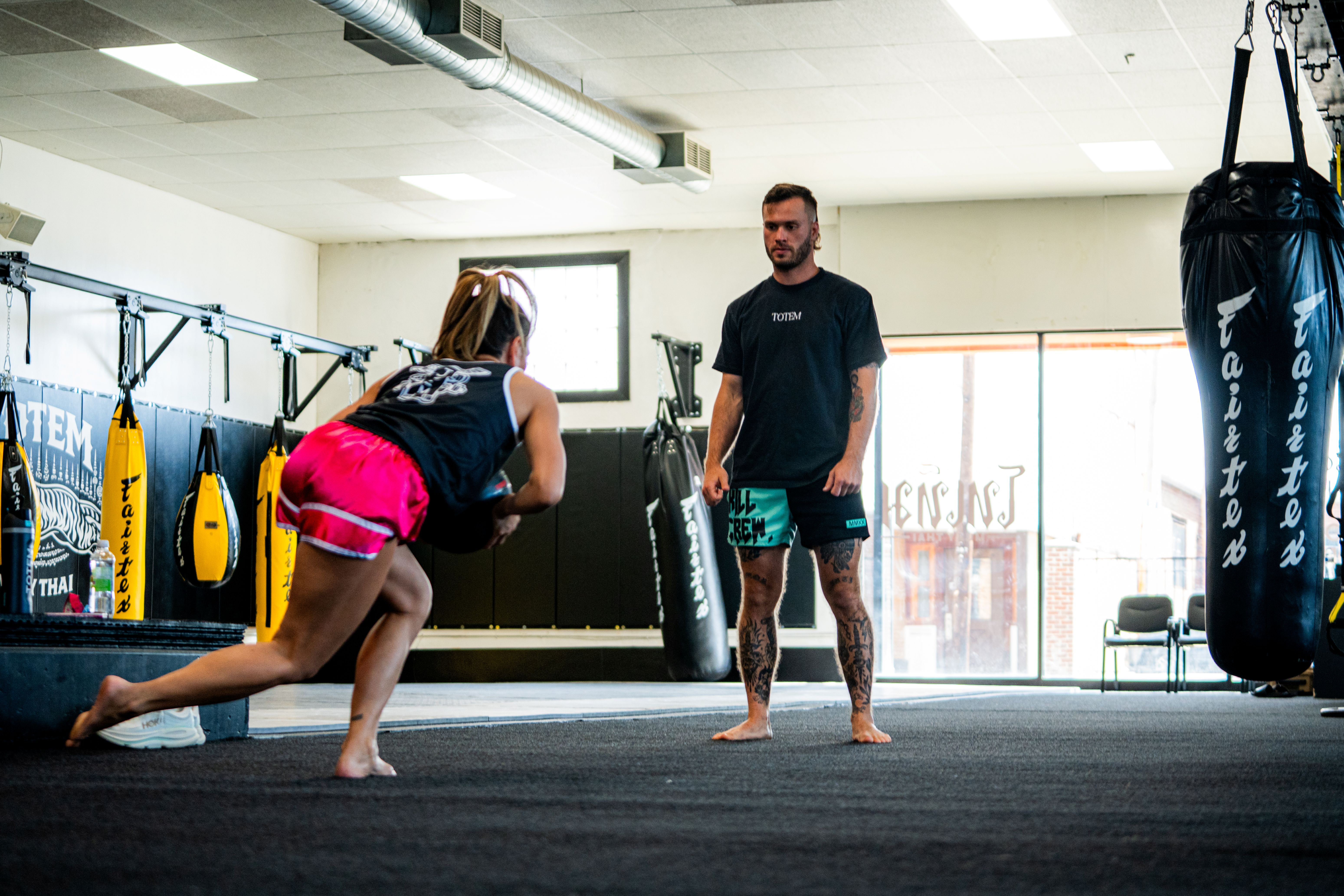
At Totem Training & Performance, we built our model specifically for active adults who expect more from their care.
Our concierge physical therapy approach is designed around:
We don’t separate rehab from training. We treat them as part of the same process.
Because the goal isn’t just to get you out of pain—it’s to get you back to performing at a high level, with confidence.
That doesn’t mean physical therapy failed.
It means the model you experienced wasn’t built for your goals.
If you’re still dealing with:
…it’s worth taking a different approach.
The first step is understanding what’s actually going on—and what your body needs to move forward.
👉 Schedule a Free Phone Consultation with a Doctor of Physical Therapy
We’ll talk through what you’ve been dealing with, what you’ve tried, and what a more individualized plan could look like.
Explore expert insights on physical therapy, strength training, injury recovery, and performance—designed to help you move better and stay pain-free long-term.